

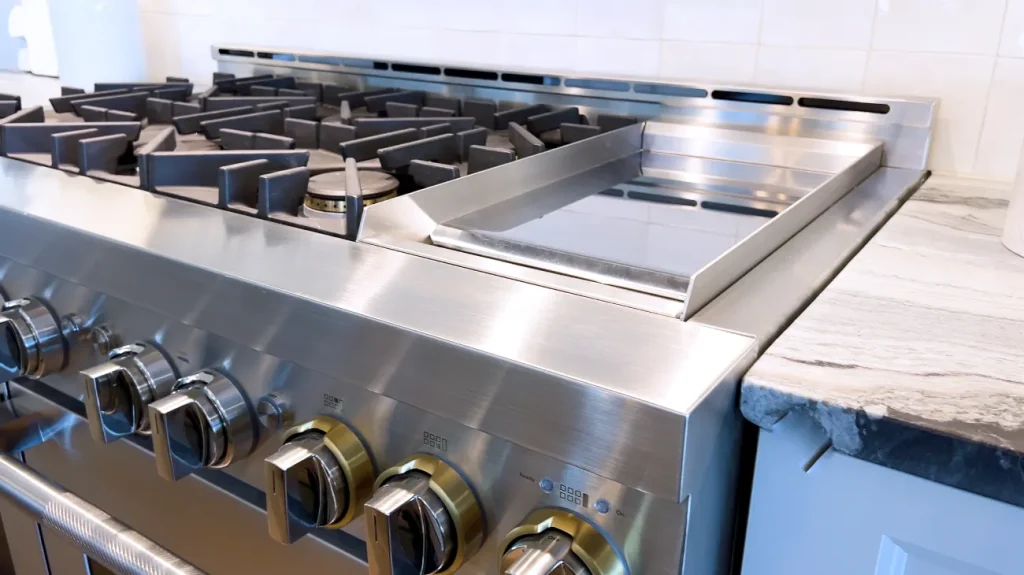
Walk into a factory, a hospital plant room or a commercial bakery and you may find gas appliances that look like the work you do every day, alongside some that look nothing like it. Whether that equipment needs a Type B gasfitter is not decided by its size, where it is installed or how industrial […]
Many gasfitting businesses grow into Type B work rather than starting there. A plumbing business that installs commercial water heating may be asked to service a bakery’s production ovens, or a gasfitter holding both licences may run the gas supply and commission the appliance on the same industrial job. Once you hold both licence types, […]
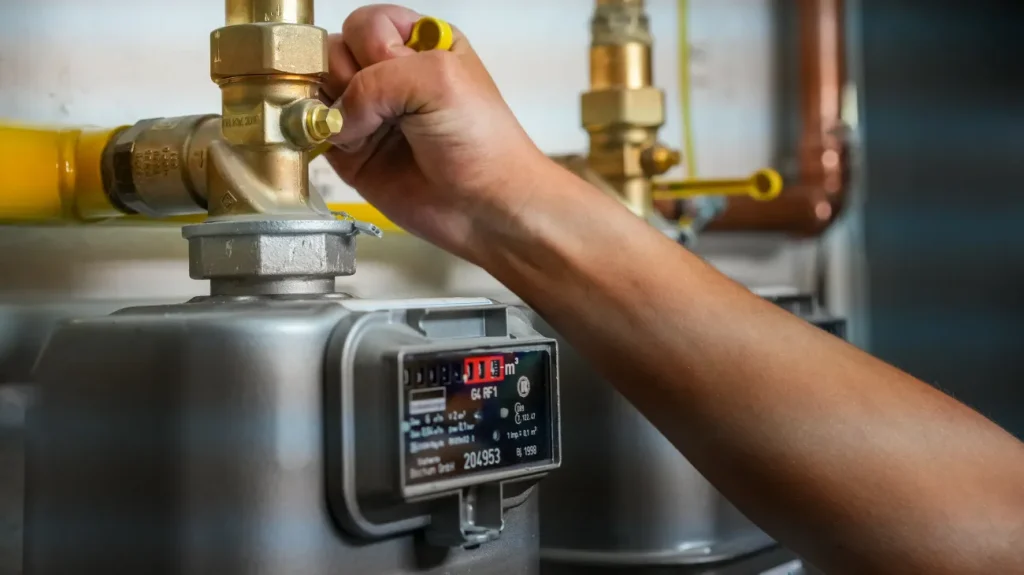
Type B gasfitters work on some of the largest and most complex gas appliances in Victoria, from industrial boilers and furnaces to process ovens and thermal fluid heaters. Before you can be licensed for that work, you need insurance that meets a specific Ministerial Order and a certificate of currency that proves it. We work […]
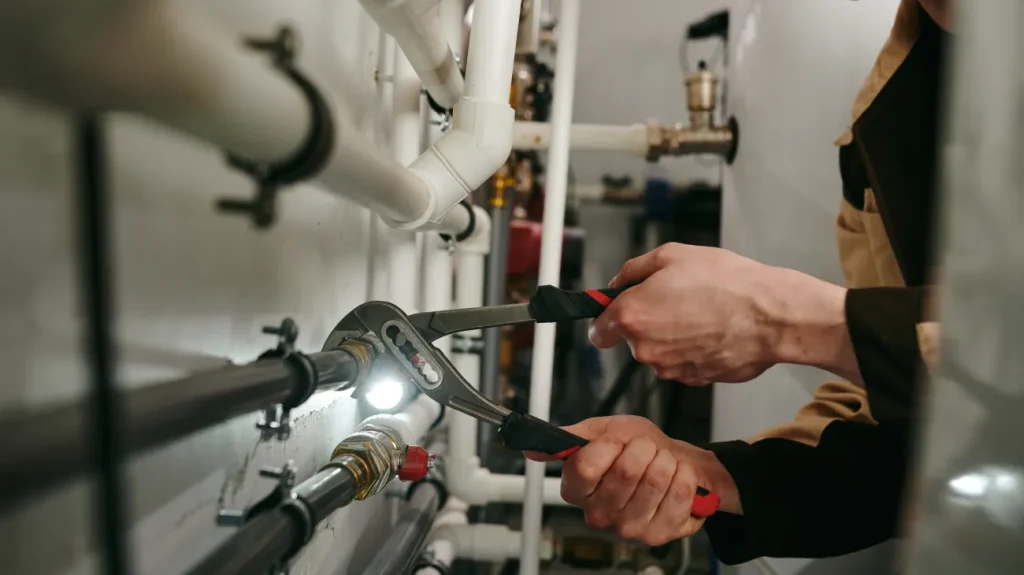
For most Victorian plumbing businesses, gas work is everyday work. Connecting a cooktop, replacing a hot water service, fitting a space heater or extending consumer gas piping are routine jobs, but each one can have serious consequences if a fitting leaks or a flue is installed incorrectly. This work is generally Type A gasfitting, and […]
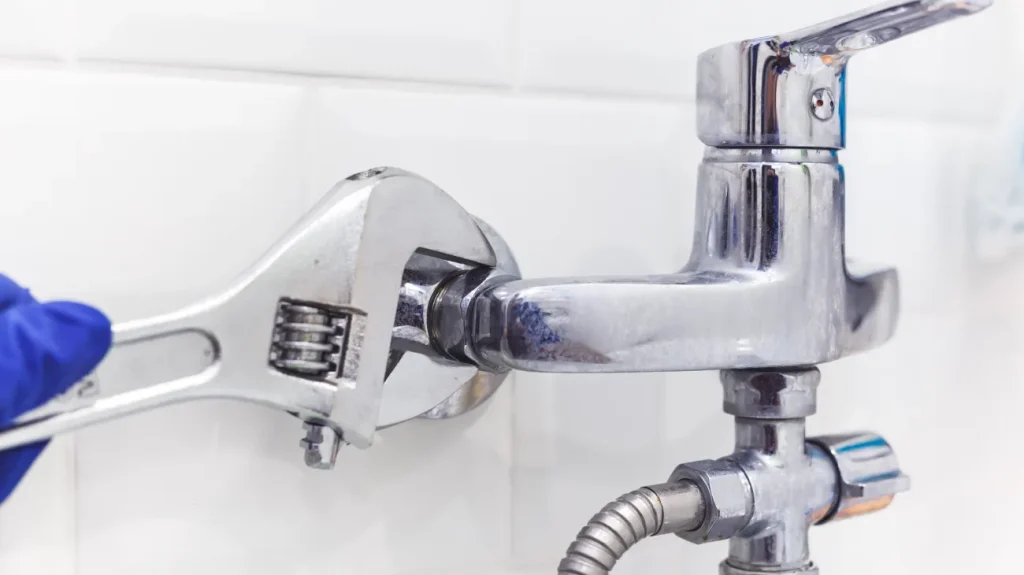
Many plumbing businesses rely on subcontractors to help complete projects, manage workload, or provide specialised services. While subcontracting can increase operational capacity, it also introduces additional insurance considerations. When subcontractors perform work under a plumbing business, questions often arise about who is responsible if something goes wrong. Liability for damage, injuries, or installation errors may […]
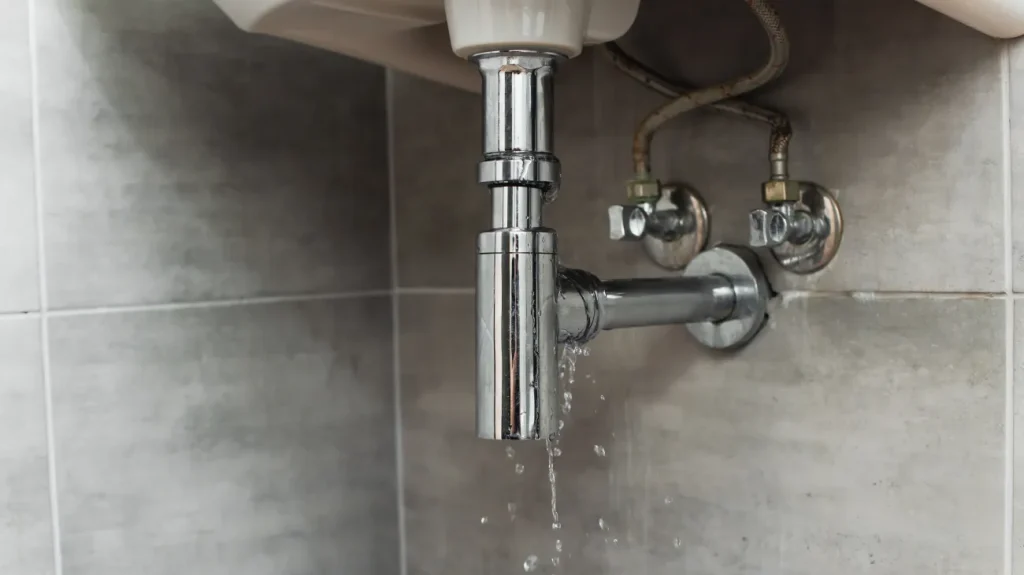
Water damage is one of the most significant risks associated with plumbing work. Because plumbing systems operate under pressure and are integrated throughout buildings, even a small installation error can result in extensive damage to property. When water escapes into walls, ceilings, flooring, or electrical systems, the repair costs can escalate quickly. For plumbing contractors, […]
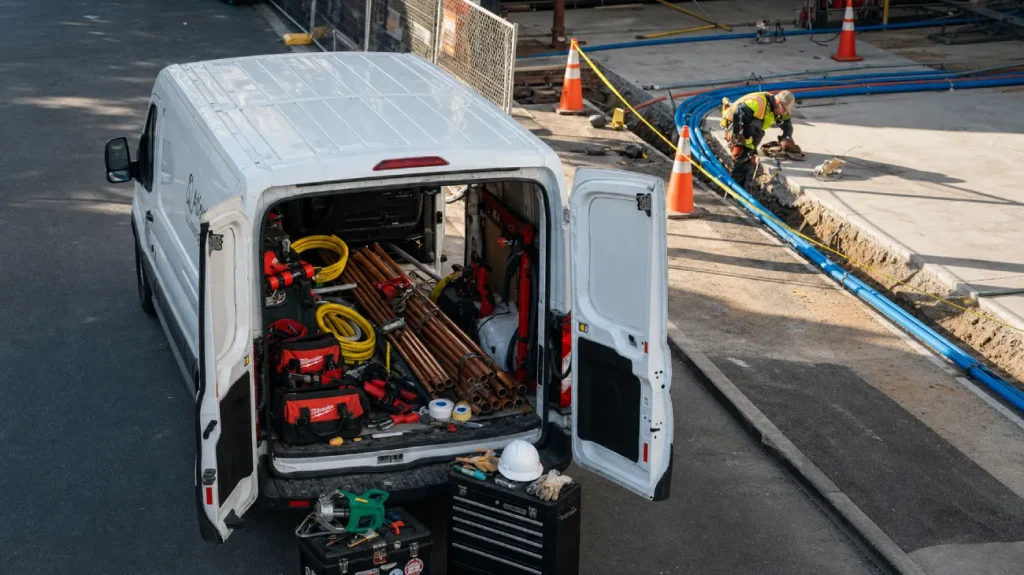
Plumbing businesses rely heavily on specialised tools and equipment to carry out daily work. From pipe threading machines and drain cameras to laser levels, power tools, and diagnostic equipment, these items are essential for completing jobs efficiently and safely. Because plumbers regularly move between job sites, tools are often transported in vehicles, stored on construction […]
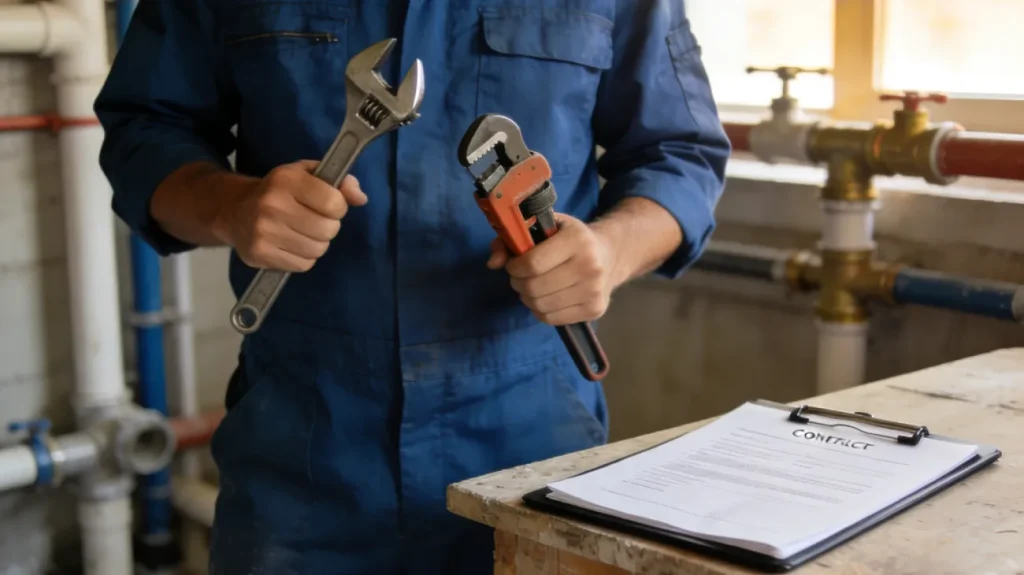
Public liability insurance is one of the most important covers for plumbing businesses working on construction and commercial projects. However, having the policy itself is only one part of the requirement. Many commercial contracts specify minimum liability limits that contractors must carry before they are permitted to work on a project. For plumbers operating in […]