

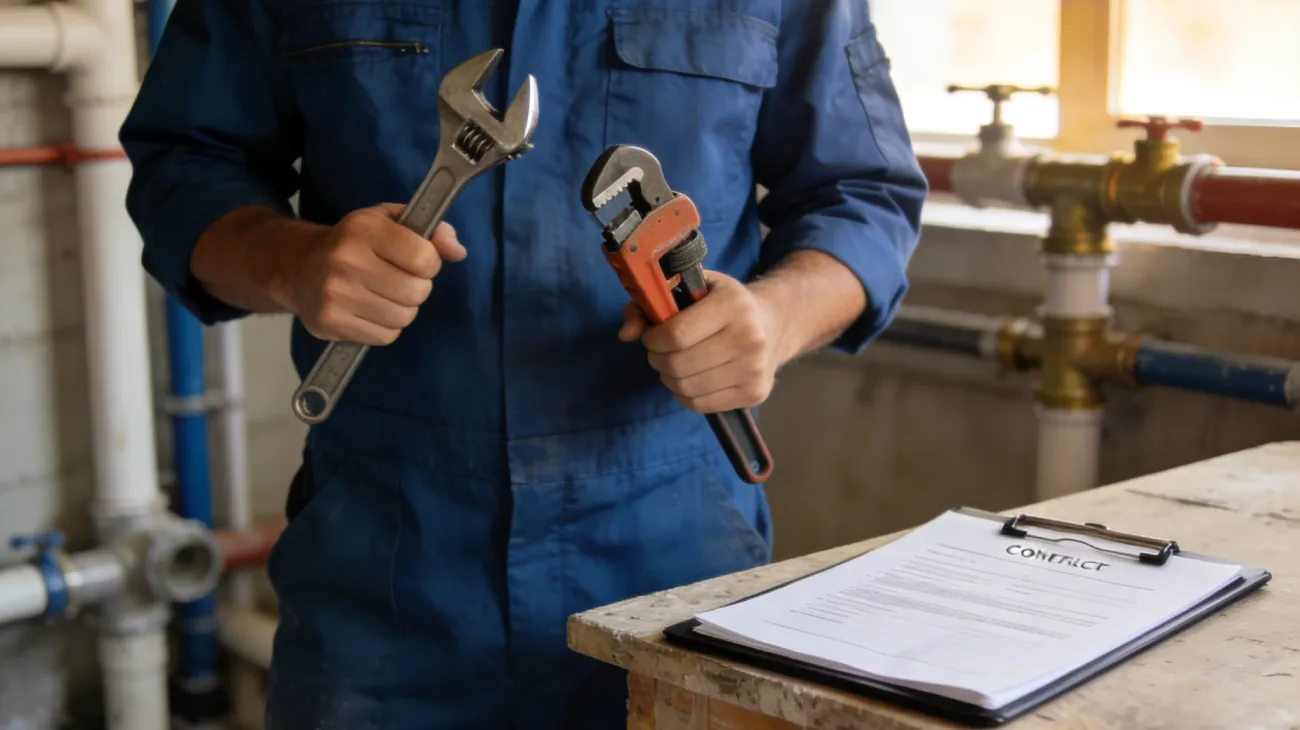

Public liability insurance is one of the most important covers for plumbing businesses working on construction and commercial projects. However, having the policy itself is only one part of the requirement. Many commercial contracts specify minimum liability limits that contractors must carry before they are permitted to work on a project.
For plumbers operating in commercial construction environments, understanding how these limits are determined and why they exist is an important part of managing contractual risk. Insurance requirements are often driven by the scale of potential damage that plumbing work could cause if something goes wrong.
Why commercial projects require higher liability limits
Commercial construction projects typically involve higher-value buildings, complex infrastructure, and multiple contractors working at the same time. If plumbing work leads to property damage or injury, the financial impact can be significantly greater than in smaller residential jobs.
For example, a failed pipe installation in a commercial building may affect multiple levels of the property. Water damage may spread through ceilings, electrical systems, flooring, and tenant areas before it is discovered. The repair costs and business interruption that follow can be substantial.
Higher liability limits are intended to ensure that contractors have the financial capacity to respond if a claim arises during the course of their work.
Typical public liability limits for plumbing contractors
Public liability limits required for plumbers often depend on the type of project and the expectations of the builder or principal contractor. While exact requirements vary between contracts, several common ranges appear frequently across construction projects in Australia.
Typical minimum limits may include:
- $5 million for smaller commercial projects or subcontracted trade work
- $10 million for standard construction projects
- $20 million or more for larger developments or government infrastructure projects
These limits represent the maximum amount an insurer may pay for a claim or series of claims under the policy. Contractors must maintain limits that satisfy the contractual requirements of the projects they are involved in.
How project contracts determine insurance limits
Insurance requirements are often written directly into construction contracts. Builders, developers, and project managers may require subcontractors to hold specific levels of public liability insurance before allowing access to the work site.
These requirements are designed to protect all parties involved in the project. If an incident occurs and leads to significant damage or injury, the insurance policy held by the responsible contractor can respond to the claim.
Contract documents commonly specify:
- Minimum liability limits
- Evidence of current insurance coverage
- Confirmation that the policy remains active for the duration of the project
Failure to meet these requirements can result in contractors being denied access to a site or removed from a project.
Why liability exposure can increase on commercial sites
Plumbing work on commercial construction projects is often integrated with other building systems. Pipework may run through structural elements, service shafts, plant rooms, and high-traffic areas of the building.
If an installation fault occurs, the consequences may extend well beyond the immediate plumbing system. Water damage can affect multiple building components, and repair work may require access to areas completed by other trades.
Several factors contribute to higher liability exposure on commercial sites:
- Larger building structures and infrastructure systems
- Multiple contractors working simultaneously
- Greater volumes of water running through installed systems
- Higher-value building materials and finishes
These factors influence why project owners and builders require contractors to carry higher liability limits.
Balancing insurance limits with business risk
Choosing an appropriate liability limit is not solely about meeting contractual requirements. Plumbing businesses also need to consider the scale of risk associated with the work they perform.
A plumbing contractor working exclusively on residential maintenance jobs may face a different level of exposure compared with a contractor installing systems in large commercial buildings.
Factors that can influence appropriate liability limits include:
- The value and size of projects undertaken
- The number of employees or subcontractors working under the business
- The type of plumbing systems being installed
- Whether work takes place in high-density or commercial environments
Reviewing these factors regularly helps ensure that insurance limits remain appropriate as the business grows and begins taking on more complex projects.
Certificates of currency and contractor compliance
When plumbing contractors work on commercial construction sites, they are usually required to provide a certificate of currency confirming their insurance coverage. This document verifies that a valid policy is in place and identifies the policy limits held by the contractor.
Builders and project managers often request certificates before a contractor begins work on site. In some cases, updated certificates may be required during the course of the project if the policy renews.
Providing accurate and current documentation helps ensure compliance with contractual insurance requirements and reduces the risk of delays before work can begin.
The role of liability insurance within a broader plumbing insurance structure
Public liability insurance is one component of the broader insurance structure used by plumbing businesses. While it addresses claims involving injury or property damage to third parties, other policies may be required to protect tools, materials, and work in progress.
Commercial plumbing contractors frequently combine liability cover with other forms of protection such as tools insurance or construction-related policies depending on the projects they undertake.
Understanding how these covers work together is part of managing operational risk effectively.
Higher liability limits are often required when plumbing contractors operate within larger construction environments. Ensuring that insurance limits align with project requirements helps protect the contractor, the builder, and the project itself.
These considerations form part of the broader approach to managing insurance for plumbing businesses. For a full overview of how plumbing contractors structure their insurance cover, see our guide to plumbers insurance for Australian plumbing businesses.
If you regularly work on commercial projects and want to review whether your current liability limits align with typical contract requirements, speaking with us can help clarify how your cover may be structured for the work you perform.