

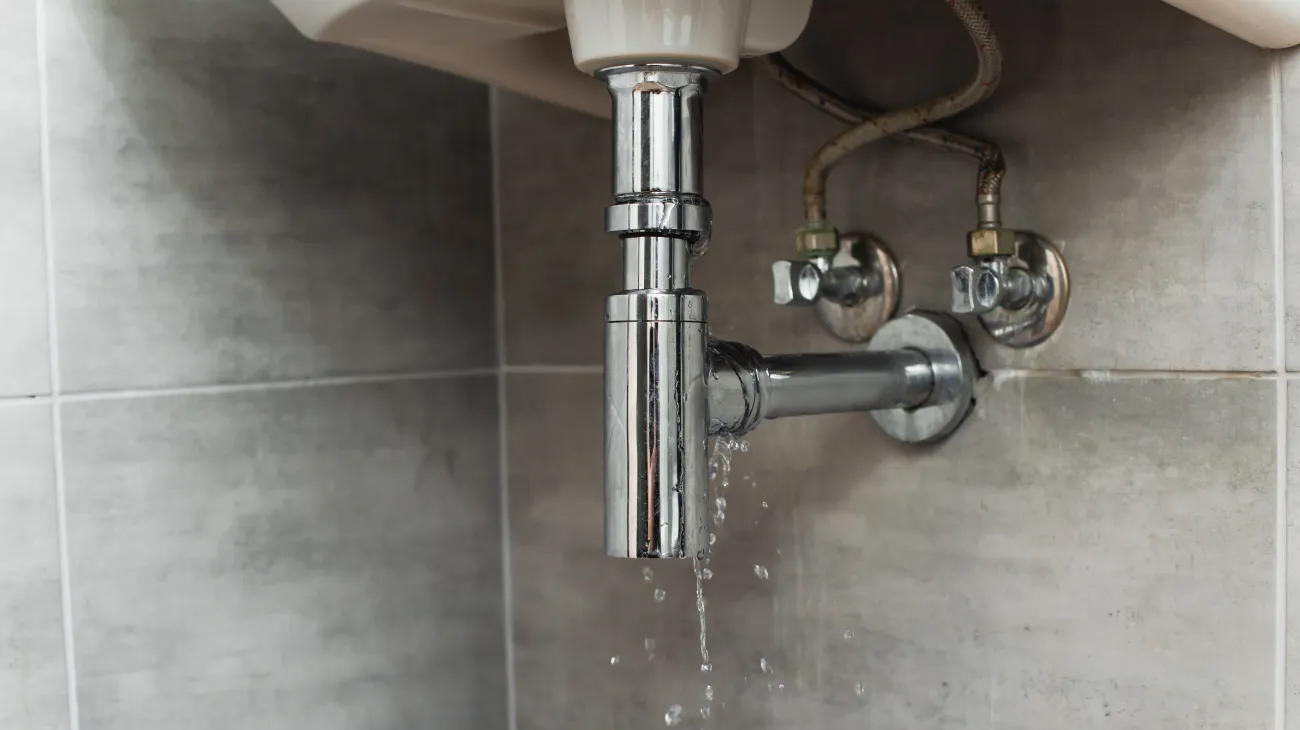

Water damage is one of the most significant risks associated with plumbing work. Because plumbing systems operate under pressure and are integrated throughout buildings, even a small installation error can result in extensive damage to property.
When water escapes into walls, ceilings, flooring, or electrical systems, the repair costs can escalate quickly. For plumbing contractors, understanding how insurance may respond to these incidents is an important part of managing operational risk. Different policies may apply depending on the circumstances that caused the damage.
Why water damage claims are common in plumbing
Plumbing systems carry water throughout residential, commercial, and industrial buildings. When systems are installed, repaired, or modified, the integrity of those systems relies on precise workmanship and correct component installation.
If a pipe joint fails, a fitting loosens, or a connection point leaks, water can escape into surrounding building structures. In some cases, the damage may occur immediately. In others, a slow leak may go unnoticed until the problem becomes extensive.
Water damage claims linked to plumbing work may involve:
- Structural repairs to walls, ceilings, or flooring
- Electrical remediation
- Replacement of cabinetry or building finishes
- Mould remediation and drying services
- Temporary relocation costs for occupants
Because these incidents can affect multiple parts of a building, the financial impact can be significant.
How public liability insurance may respond
Public liability insurance is typically the policy that responds when a plumbing business is legally responsible for damage to another person’s property. If a plumbing contractor’s work results in water escaping and damaging the client’s property, a liability claim may arise.
For example, if a plumbing installation fails shortly after completion and causes water damage to a property, the property owner may seek compensation for the resulting repairs. If the plumbing contractor is found legally liable for the damage, the public liability policy may respond to the claim.
Public liability insurance can help cover:
- The cost of repairing damaged third-party property
- Legal defence costs if a claim is made against the plumbing business
- Settlement or compensation payments if liability is established
The policy is designed to address the financial consequences of third-party property damage rather than the cost of correcting the plumber’s own work.
The role of faulty workmanship exclusions and limitations
One of the most important distinctions in plumbing-related insurance claims involves faulty workmanship. Many liability policies contain exclusions or limitations relating to the cost of repairing or replacing defective work. In Victoria, licensed plumbers insurance policies may include limited rectification cover for faulty workmanship, subject to policy conditions and prescribed limits.
For example, if a pipe installation is incorrectly completed and has contributed to a claim and requires rectification, the cost of correcting the plumbing work may not be covered by insurance in some states and policy structures. In Victoria, licensed plumbers insurance policies may include limited rectification cover for faulty workmanship, subject to policy conditions and limits.
However, if that faulty installation leads to water damage affecting other parts of the property, the resulting damage may still be considered under the policy.
This distinction between defective work, rectification costs, and resulting damage is an important concept within liability insurance. In some cases, policies may provide limited cover for rectification of faulty workmanship, depending on the policy structure, state requirements, and claim circumstances.
In practical terms:
- The plumber may still be responsible for rectification costs beyond policy limits or outside policy conditions
- Insurance may respond to certain rectification costs and damage caused to other property, depending on the policy terms and the circumstances of the claim
Understanding this boundary helps plumbing contractors manage expectations when incidents occur.
Water damage in multi-trade construction environments
Water damage risks can increase when plumbing work takes place within construction projects. On building sites, plumbing systems may be installed while other trades continue working throughout the structure.
In these environments, several situations can lead to water-related incidents:
- Pipework damaged by another contractor during construction
- Temporary system pressurisation causing unexpected leaks
- Incomplete building structures exposing plumbing to weather events
Because multiple contractors are involved, determining responsibility for damage can sometimes become complex. Claims may involve investigations to identify which party’s actions contributed to the incident.
Insurance policies held by the different contractors may then respond depending on how responsibility is allocated.
Claims involving delayed leaks
Not all water damage incidents occur immediately after plumbing work is completed. In some situations, leaks may develop weeks or months later due to installation faults, component failure, or connection issues.
Delayed leaks can create additional complexity because the damage may have progressed significantly before it is discovered. Water may travel through cavities within the building structure before becoming visible.
When these claims arise, insurers often investigate several factors, including:
- The cause of the leak
- Whether the plumbing work was performed correctly
- The extent of resulting property damage
- Whether maintenance or external factors contributed to the incident
The outcome of these investigations can influence how insurance responds.
Managing water damage risk through good work practices
While insurance provides financial protection when incidents occur, reducing the likelihood of water damage claims is equally important for plumbing businesses.
Several operational practices can help minimise risk, including:
- Pressure testing newly installed systems
- Checking fittings and connections before completing work
- Using approved plumbing components and materials
- Documenting installation procedures and compliance standards
Strong installation practices help reduce the likelihood of leaks and can also support the contractor’s position if disputes arise regarding the cause of damage.
Why understanding insurance boundaries matters
Water damage claims can be complex because multiple insurance policies may be involved. Property insurance held by the building owner may respond initially to repair the damage, after which the insurer may pursue recovery from the contractor responsible for the incident.
When this occurs, the plumbing contractor’s liability insurer may then become involved to assess whether the claim falls within policy coverage.
Understanding how these processes work helps plumbing businesses prepare for the possibility of claims arising from water damage incidents.
Water damage exposure is one of the key risks faced by plumbing contractors. When installations fail or leaks develop, the financial consequences can affect both the contractor and the property owner.
These exposures form part of the broader insurance structure used to protect plumbing businesses. For a wider explanation of how liability cover, equipment protection, and project-related insurance fit together, see our guide to Plumbers Insurance and how insurance is structured for plumbing contractors in Australia.
If you want to review how your plumbing business may be protected against property damage claims, speaking with us can help clarify how insurance may respond to the risks involved in plumbing work.