

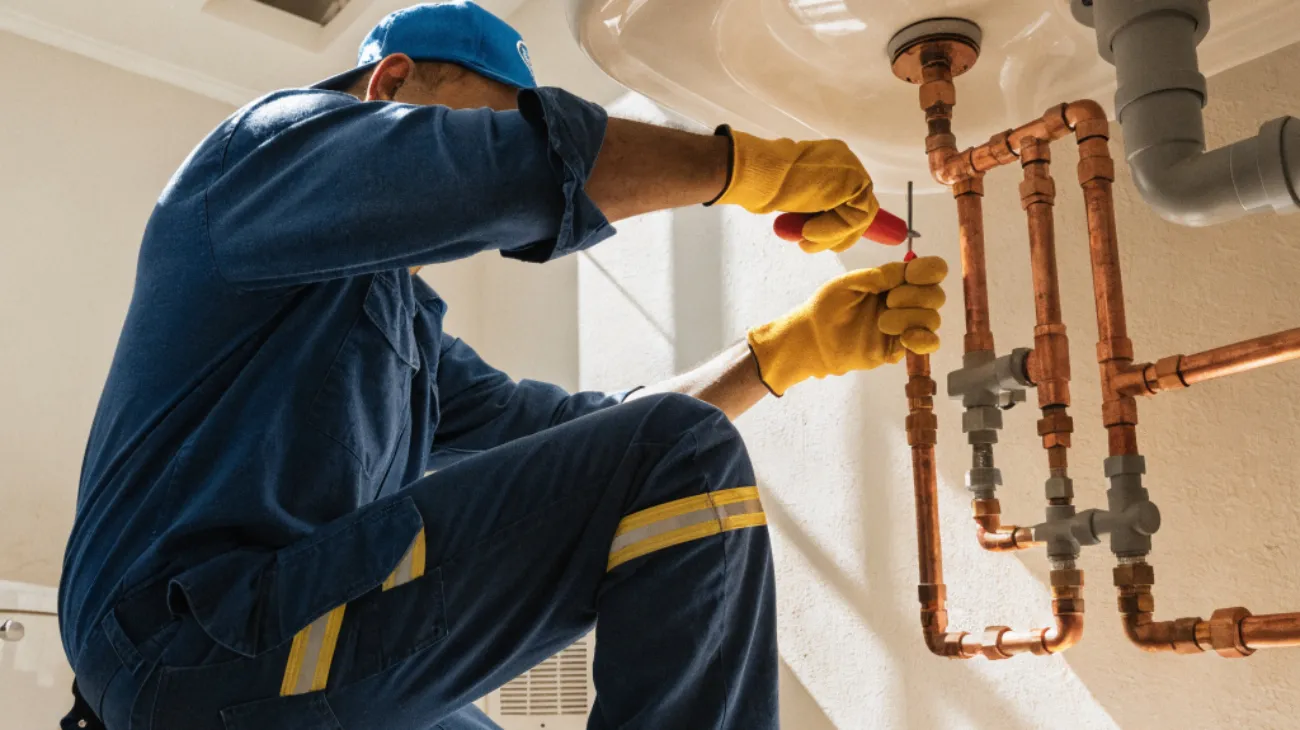

Plumbing businesses operate in environments where small errors can quickly lead to significant property damage, injury claims, or costly repair issues. A burst pipe, incorrect installation, or equipment failure can affect homes, commercial buildings, and construction sites.
Insurance plays an important role in managing these risks. Rather than relying on a single policy, plumbers insurance typically involves a combination of covers designed to respond to liability, equipment loss, completed work exposures, and project-related risks. Understanding how these covers work together helps plumbing businesses protect their work, their reputation, and their financial stability.
What plumbers insurance typically covers
Plumbers insurance is not usually a single policy. Instead, it is typically structured as a group of insurance covers addressing the different risks plumbing businesses face during day-to-day operations.
Common types of cover may include:
- Public liability insurance for injury or property damage caused to third parties
- Tools, plant and machinery insurance for trade tools, equipment and machinery
- Professional indemnity insurance for advice or design-related errors
- Personal accident or illness cover protecting income if a plumber cannot work
- Contract works insurance covering damage to work in progress
Each policy addresses a different exposure. The right combination depends on the type of plumbing work performed, whether subcontractors are involved, and the contractual requirements of the projects being undertaken.
Who plumbers insurance is designed for
Plumbers insurance applies across a wide range of plumbing operations, from individual tradespeople to larger contracting businesses. The level and structure of cover generally evolves as the business grows and takes on more complex work.
Typical insured groups include:
- Self-employed plumbers and sole traders working independently
- Small plumbing businesses employing technicians or apprentices
- Commercial plumbing contractors working on construction sites
- Specialist plumbers handling gas fitting, drainage, or industrial plumbing
Each of these businesses faces similar risks but often at different scales. A sole trader might focus primarily on liability and tools, while a commercial contractor working on large developments may also require contract works insurance and higher liability limits.
Why insurance matters in plumbing work
Plumbing activities regularly involve working within finished buildings, residential properties, or high-value construction environments. A single incident can cause extensive damage if water escapes into walls, ceilings, or electrical systems.
Some of the most common claim scenarios in plumbing include:
- Burst pipes causing water damage to flooring, cabinetry, or electrical systems
- Incorrect installation leading to leaks weeks or months after completion
- Third-party injuries on job sites
- Theft of tools from vehicles or machinery from construction sites
- Damage to partially completed plumbing installations
Without appropriate insurance, the cost of repairing damage or defending a liability claim can quickly exceed the resources of many plumbing businesses. Insurance helps transfer that financial risk away from the business and onto the policy designed to respond to those incidents.
Public liability exposure in plumbing work
Public liability insurance is often considered one of the core covers for plumbing businesses. This policy typically responds when a plumbing business is legally responsible for injury to another person or damage to their property during the course of work.
Plumbing work frequently involves modifying existing infrastructure inside homes or commercial buildings. If a pipe joint fails or an installation error allows water to escape, the resulting property damage can extend far beyond the immediate repair work.
For example, a leaking pipe behind a wall may not be noticed immediately. By the time it is discovered, the damage may involve flooring, cabinetry, electrical wiring, and structural components. Public liability insurance is designed to help manage claims arising from these situations where a plumbing business is found responsible.
For plumbing contractors working on construction projects, public liability insurance is also commonly required before access to a job site is granted.
Read more → What liability limits do plumbers typically need for commercial contracts?
Water damage risks associated with plumbing work
Water damage represents one of the most significant exposures in the plumbing industry. Plumbing systems operate under pressure and interact directly with structural components of a building.
A small installation defect may allow water to escape slowly over time. Alternatively, a major pipe failure can release large volumes of water very quickly. Both situations can result in costly repairs and disruption for property owners.
Claims related to water damage often involve:
- Structural repairs
- Replacement of flooring or cabinetry
- Electrical remediation
- Mould treatment
- Temporary relocation costs for occupants
Understanding how liability policies respond to water damage claims is critical for plumbing businesses. Not every situation is automatically covered, particularly where faulty workmanship exclusions apply and coverage relating to rectification of faulty workmanship may be limited.
Read more → What insurance covers water damage caused by plumbing work?
Protecting plumbing tools and equipment
Plumbing work relies heavily on specialised tools and equipment. Drain cameras, pipe threading machines, diagnostic equipment, and specialist hand tools are essential to daily operations.
These tools are often transported between job sites in vehicles or trailers, which can create exposure to theft or accidental damage. Construction sites also present additional risk, particularly when tools are stored overnight.
Tools insurance is designed to help plumbing businesses replace essential equipment if it is stolen, damaged, or lost under insured circumstances. Fast replacement is particularly important because the inability to access tools can halt work and disrupt scheduled jobs.
Typical tool insurance policies may cover equipment when:
- Stored in a vehicle
- Transported between job sites
- Temporarily stored on a construction site
- Damaged during normal business activities
Because plumbers rely heavily on these tools to generate income, ensuring adequate coverage limits is an important consideration.
Read more → Are plumbing tools and equipment covered on site, in transit, or in vehicles?
Contract works exposure during installation projects
Some plumbing work forms part of larger construction or renovation projects. When this occurs, plumbing contractors may be responsible for materials, installations, or partially completed work until the project reaches completion.
If damage occurs before the project is finished, the cost of repairing that work may fall on the contractor responsible for the installation.
Contract works insurance is designed to cover physical loss or damage to construction works while they are in progress. For plumbing contractors involved in new builds or major renovations, this type of cover may be required under project contracts.
Examples of situations where contract works insurance may be relevant include:
- Damage to installed pipework during other construction activities
- Storm damage affecting partially completed plumbing installations
- Theft of materials before installation is completed
Because plumbing work is often integrated with other trades, the boundaries between liability and contract works exposures can sometimes be complex.
Read more → Do plumbers need contract works insurance for installation projects?
Subcontractors and liability responsibility
Many plumbing businesses rely on subcontractors to complete specialised work or manage larger projects. While subcontracting can increase capacity, it also introduces additional insurance considerations.
In many cases, the primary plumbing contractor may remain responsible for the work performed by subcontractors on a project. If an installation error leads to property damage or injury, claims may be directed toward the contractor overseeing the project.
Insurance arrangements should therefore consider:
- Whether subcontractors carry their own insurance
- Contractual requirements placed on subcontractors
- How liability is allocated within project agreements
Ensuring these responsibilities are clearly defined can help reduce the risk of unexpected claims affecting the plumbing business.
Read more → Does insurance cover subcontractors working under a plumbing business?
Key considerations and exclusions
Insurance policies are designed to cover defined risks rather than every possible scenario. Plumbing businesses should understand the limitations that commonly apply within insurance policies.
Examples of common considerations include:
- Faulty workmanship limitations, where cover for rectification of defective work may be limited depending on the policy and circumstances
- Wear and tear, which is generally not considered an insurable event
- Unlicensed work, which may fall outside policy coverage
- Theft conditions, particularly where tools are left unsecured
Understanding these boundaries helps plumbing businesses structure their cover appropriately and avoid assumptions about what is or is not insured.
How plumbers insurance fits into a broader risk strategy
Insurance is one component of managing risk in a plumbing business. Other factors such as licensing compliance, quality control procedures, and contractual clarity also play an important role.
Plumbing businesses that maintain strong operational processes often experience fewer disputes and insurance claims. Documented installation standards, clear communication with clients, and careful supervision of subcontractors can reduce the likelihood of costly incidents occurring in the first place.
Insurance then acts as a financial safety net when unexpected events occur despite those precautions.
Frequently asked questions about plumbers insurance
Is plumbers insurance mandatory in Australia?
While insurance requirements vary by state and by project, many plumbing businesses require public liability insurance to operate, particularly when working on construction sites or commercial projects.
How much public liability cover do plumbers usually carry?
Liability limits vary depending on the type of work performed. Many construction projects require contractors to carry several million dollars in public liability cover.
Are tools automatically covered under a plumbing business policy?
Not always. Tools are often insured under a dedicated tools insurance policy or added as a specified cover within a broader business insurance package.
Does plumbers insurance cover defective work?
Insurance does not always cover the full cost of correcting faulty workmanship. However, some policies may provide limited cover for rectification costs and resulting damage, depending on the policy, state requirements, and claim circumstances. In Victoria, licensed plumbers insurance includes limited rectification cover subject to conditions and policy limits.
Protecting plumbing businesses against everyday risks
Plumbing businesses face a unique combination of operational risks, including property damage, liability exposure, and equipment loss. These risks arise from the nature of plumbing systems, which operate under pressure and interact directly with building structures.
A well-structured plumbers insurance program brings together the policies needed to manage these exposures. Public liability, tools insurance, and project-related covers can work together to protect the business when incidents occur.
If you operate a plumbing business and want to understand how insurance can be structured to protect your work and your operations, speak with us today. Our team can help review your risks and discuss insurance options designed for plumbing businesses across Australia.