

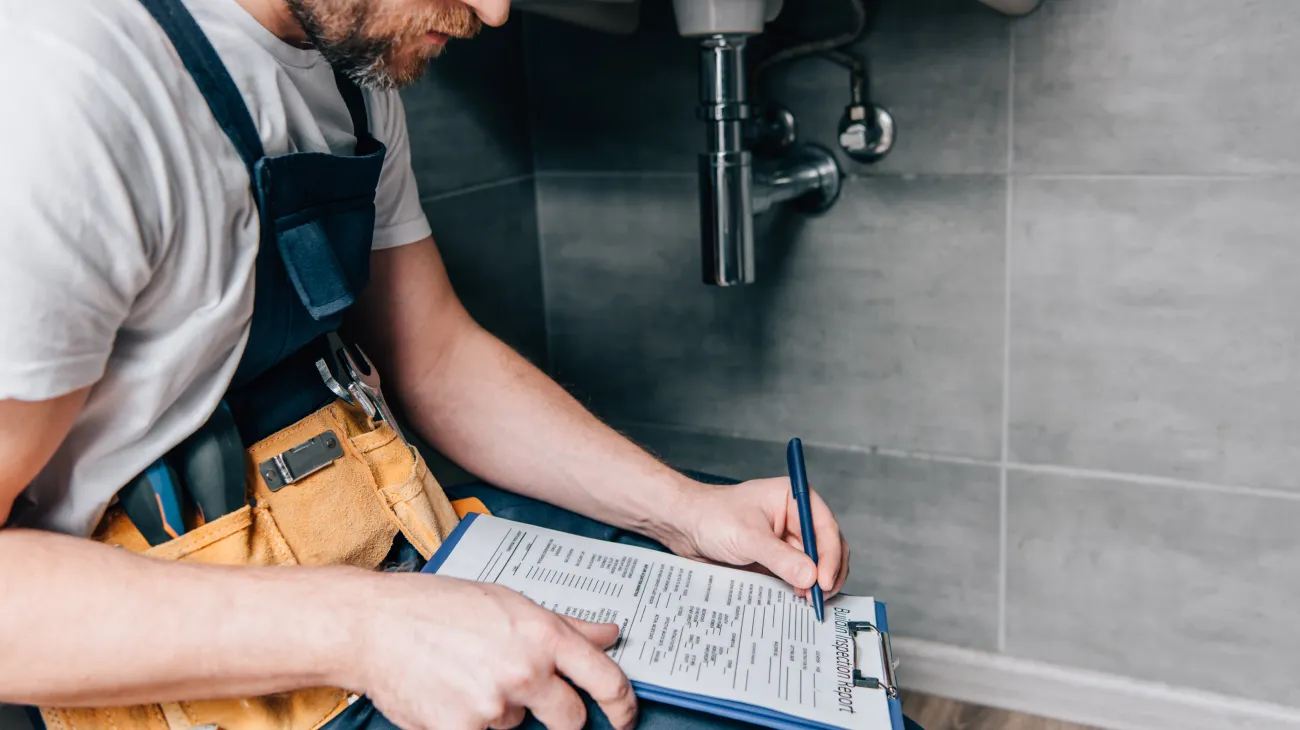

Plumbing installation work often forms part of broader construction or renovation projects. When plumbing systems are installed during building works, contractors may be responsible not only for the quality of the installation but also for the condition of materials and work in progress until the project is completed.
In these situations, standard liability insurance may not always address the full range of risks. Contract works insurance is designed to protect building works and materials during construction, including plumbing installations that have not yet reached final handover. Understanding when this cover becomes relevant helps plumbing businesses manage project risk more effectively.
When plumbing work becomes part of construction risk
Many plumbing jobs are relatively contained service tasks such as repairs, replacements, or maintenance. These activities generally fall within the scope of public liability exposure. However, installation work on new builds, renovations, or commercial developments often carries a different risk profile.
During construction, plumbing systems may be partially installed for extended periods while other trades continue working on the project. Pipework, fittings, fixtures, and materials may remain exposed to potential damage from construction activities, weather events, or theft before the project is complete.
This creates a situation where the plumbing contractor may have financial exposure for materials and labour invested in work that has not yet been handed over to the client.
What contract works insurance is designed to cover
Contract works insurance protects construction works, materials, and partially completed installations while a project is underway. The policy is generally designed to respond when physical damage occurs to insured works during the construction phase.
For plumbing contractors, this may include protection for:
- Installed pipework and fittings awaiting completion of the project
- Plumbing materials stored on site for future installation
- Work already completed but not yet handed over
- Damage to plumbing installations caused by external events
Examples of incidents that may trigger contract works claims include storms damaging a partially completed structure, accidental damage caused by other trades on site, or theft of materials before or after installation and prior to handover.
Because construction environments involve multiple contractors working simultaneously, the source of damage may not always be clear. Contract works insurance helps address the financial consequences when insured works are affected before project completion.
Why public liability alone may not be enough
Public liability insurance is designed to respond when a plumbing business is legally responsible for injury or property damage to a third party. While this is a critical cover for plumbers, it does not typically protect the contractor’s own work in progress.
For example, if plumbing pipework installed during a renovation is damaged by another contractor before the project is finished, public liability insurance may not respond because the damage does not involve a third-party claim against the plumbing business.
Similarly, if materials stored on site are stolen before installation, this may fall outside the scope of liability insurance.
Contract works insurance is intended to address these types of exposures by covering damage to the construction works themselves rather than liability claims from third parties.
Situations where plumbing contractors may need contract works cover
Contract works insurance becomes particularly relevant when plumbing businesses are involved in larger construction projects or when contracts allocate responsibility for materials and works prior to project completion.
Common scenarios include:
- Plumbing installation for new residential construction
- Major renovation or extension projects
- Commercial building developments
- Multi-trade construction sites where materials remain on site
Project contracts sometimes specify which party is responsible for arranging contract works insurance. In some cases, the principal contractor or builder may hold a project-wide policy covering all trades. In other situations, subcontractors may be required to insure their own work.
Understanding the insurance responsibilities within the construction contract is an important step before beginning installation work.
Managing risk on multi-trade construction sites
Construction projects typically involve multiple trades operating in the same environment. Electrical contractors, carpenters, roofers, and other specialists may work around plumbing installations while the project progresses.
This creates several potential risks for plumbing contractors:
- Accidental damage to installed pipework during other building activities
- Exposure of plumbing systems to weather before the building envelope is complete
- Theft of materials or fittings stored on site
- Structural damage affecting installed plumbing infrastructure
Contract works insurance is designed to provide financial protection when these types of incidents affect construction works before the project reaches completion.
Contractual requirements on building projects
Construction contracts often allocate risk between the builder, subcontractors, and project owner. Insurance requirements are frequently written directly into these agreements.
Plumbing contractors may encounter requirements such as:
- Maintaining contract works insurance for materials and installations
- Being noted on a builder’s project-wide contract works policy
- Carrying specified insurance limits before starting work on site
Failing to meet these insurance requirements can delay project access or expose the contractor to uninsured losses if damage occurs during construction.
For this reason, reviewing project contracts carefully is essential before commencing installation work.
Key considerations when arranging contract works insurance
Contract works policies can vary depending on the type of construction activity involved. Plumbing contractors arranging this cover should consider several factors when assessing whether the policy aligns with their project risks.
Important considerations may include:
- The total project value and the value of plumbing works involved
- Whether materials stored on site are insured
- The length of time construction works remain covered
- Responsibility for deductibles in the event of a claim
- Whether there is a requirement to insure any existing structures
Because construction projects often involve multiple stakeholders, the policy structure may also need to align with the broader insurance arrangements held by the builder or developer.
Understanding when this cover becomes relevant
Not every plumbing job requires contract works insurance. Many day-to-day plumbing activities such as repairs, maintenance, or small installations may fall entirely within standard liability exposures.
However, when plumbing installations form part of a construction project, the financial exposure associated with partially completed work can increase significantly.
Understanding when contract works insurance becomes relevant is part of managing construction risk effectively. For plumbing contractors working on building projects, this cover can help protect materials, labour, and installations until the project is completed and handed over. These exposures are one component of the broader insurance structure that supports plumbing businesses. For a deeper overview of how different covers work together to protect plumbing contractors, see our guide to Plumbers Insurance and how plumbing businesses structure their cover in Australia.
If you are working on installation projects and want to clarify whether contract works insurance may apply to your work, speaking with a broker can help assess how construction risks are allocated and how appropriate cover may be structured.