

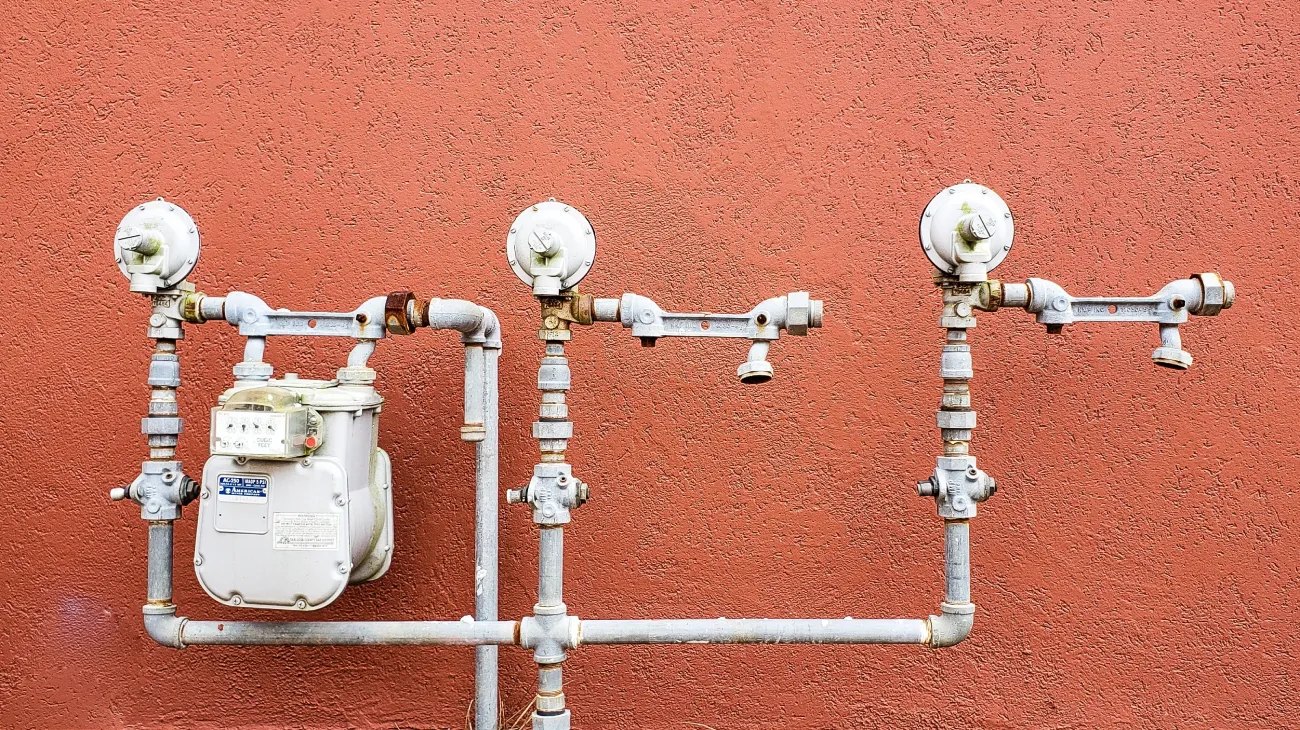

Gasfitting in Victoria covers everything from connecting a cooktop in a family home to commissioning a burner on an industrial oven that runs a production line. Both jobs involve gas, flues and combustion, but they sit under different licence classes, involve different appliances and can lead to claims of very different sizes. A fault in either setting can cause fire, explosion, carbon monoxide exposure or serious damage to property.
The licence you hold shapes the insurance you need. Type A gasfitting generally sits within the insurance framework for licensed plumbers, while Type B gasfitting has its own Ministerial Order with its own requirements. At Atlantic Insurance, we arrange liability cover for Victorian plumbing and gasfitting businesses, and in our experience the right structure depends on three things: the licence classes you hold, the work you declare to your insurer and the contracts you sign.
What insurances are typically considered for a gasfitter in Victoria
Whilst it is dependent upon your licence classes, the appliances you work on and the sites you work in, you may consider:
- Plumbers liability insurance that can be endorsed to include Type B gasfitting where you carry out Type B work, meeting the Ministerial Order for licensed plumbers, combining public liability, completed work liability and a Consumer Protection Liability section for rectifying defective work
- Tools and equipment insurance for specialist gear such as combustion analysers, manometers, leak detection equipment and pressure testing equipment
- Professional indemnity insurance where you provide design, specification or technical advice beyond what is incidental to your gasfitting work
The right mix depends on your licences, whether you work in domestic, commercial or industrial settings, and the insurance terms written into your contracts. As your work changes, the structure of your cover usually needs to change with it.
What determines the range of insurance required for gasfitters in Victoria
Victorian gasfitting businesses come from different trade backgrounds and work across very different sites. Their insurance usually reflects that mix.
Typical insured groups include:
- Plumbing businesses installing and replacing gas appliances and consumer gas piping in homes and commercial premises
- Commercial gasfitters servicing catering equipment, commercial water heating and space heating
- Type B gasfitters installing, servicing and commissioning industrial boilers, furnaces, kilns, process ovens and other large appliances
- Combustion and burner technicians, some of whom come from an electrical background rather than general plumbing
- Businesses holding both licence types that move between general gasfitting and industrial appliance work
A plumbing business doing domestic gas work will usually focus on its plumbers liability policy and tools. A Type B contractor working inside manufacturing plants is more likely to face higher contract limits, strict evidence of cover before site access and far more valuable equipment around the work.
Why the difference matters in practical risk terms
Gas incidents are not common, but when they happen they can be severe. The real difference between Type A and Type B work is less about how often something goes wrong and more about what is at stake when it does.
Realistic exposure scenarios include:
- A space heater installed with a flue fault that exposes the occupants to carbon monoxide
- A leak at a newly connected cooktop that causes a kitchen fire weeks after the job is finished
- A burner on an industrial process oven commissioned with incorrect settings, causing an explosion that damages surrounding plant
- Damage to an industrial boiler while it is being serviced, with the client also claiming for lost production
- Type B work carried out under a policy that was arranged and declared for general plumbing and gasfitting only
Each scenario raises a different insurance question. Some involve liability to other people, some involve the cost of fixing the work and some involve property in your care. Knowing which part of your cover is designed to respond, and what limits apply, is the starting point for getting the structure right.
Type A gasfitting and plumbers liability insurance
Type A appliances are generally certified appliances, such as cookers, space heaters, central heating units, water heaters and most commercial catering equipment. Working on them falls within the general gasfitting licence class, so the Ministerial Order for licensed plumbers applies. That Order applies to work that needs a compliance certificate, and for gas work that covers a lot of ground. Installing, relocating or replacing any Type A appliance needs a compliance certificate regardless of cost, as does installing or altering consumer gas piping. As a result, most Type A gas work carries the same requirements as other licensed plumbing, including limited cover for rectifying defective work alongside public and completed work liability. This is why a Victorian plumbers liability policy looks quite different from a standard public liability policy.
Read more → Type A Gasfitting Work in Victoria: How It Fits Within Plumbers Liability Insurance
Type B gasfitting and its own Ministerial Order
Type B gasfitting is a specialised licence class for work on Type B appliances. Under Victorian gas safety law, a Type B appliance is an appliance with gas consumption above 10 MJ/h that is not a Type A appliance. These are typically larger, purpose built or process related appliances found in commercial and industrial settings.
Type B work is regulated differently. It sits outside the plumbing compliance certificate scheme, with Energy Safe Victoria overseeing appliance acceptance, and its insurance is set by a separate Ministerial Order built around public liability. Your Type B licence also depends on a certificate of currency that refers to that Order.
For your business, this means a policy arranged for general plumbing should not be assumed to meet Type B requirements, and the reverse is also true. If you hold or are adding a Type B licence, check that your insurer knows about the work and that your certificate of currency carries the right notation.
Read more → Type B Gasfitting Insurance Requirements in Victoria: Ministerial Orders and Certificates of Currency
Holding both general and Type B gasfitting licences
Many gasfitting businesses do not sit neatly in one class. A plumbing business may add Type B as it takes on industrial work, or a Type B specialist may also hold general gasfitting so it can run the supply to the appliances it commissions.
Where you hold Type B gasfitting alongside another plumbing class, your insurance needs to meet both Ministerial Orders. That can be done through one policy or more than one, depending on what insurers will accept. The weak point is usually the boundary between the two. Gas piping up to the isolating valve beside a Type B appliance is generally general gasfitting work, while work on the appliance itself is Type B work, so a single job can involve both.
Read more → When Does a Victorian Gasfitter Need Both General and Type B Insurance?
How appliance classification shapes your exposure
Whether work is Type A or Type B depends on how the appliance is classified, not the building it sits in or how it looks. A certified commercial oven in a busy restaurant is generally Type A, while a purpose built oven on a factory production line may be Type B.
The classification decides which licence you need, which Ministerial Order applies and what your insurer needs to know. It also tends to change the size of the risk, because Type B appliances such as industrial boilers, furnaces, kilns and process dryers often sit within expensive plant with complex controls.
Key considerations and exclusions or limitations
Insurance policies that cover Gasfitting are designed to respond to defined risks, and the Ministerial Orders set minimums rather than the full picture. These are the boundaries that most often matter.
Examples of common considerations include:
- Rectification of defective work, where cover is generally limited to the Consumer Protection Liability section of a plumbers liability policy and is not required under the Type B Order
- Property in your care, custody or control, where both Ministerial Orders allow policies to cap cover at $20,000, which can fall well short of the value of industrial plant being worked on
- Consequential financial loss, such as a client’s lost production, which policies are permitted to exclude for Type B and non-domestic work
- Declared activities, where work not disclosed to the insurer, such as commissioning or burner management work, may fall outside the policy
- Licensing and compliance, where work outside the licence class held, or in breach of gas safety requirements, may affect how a claim is treated
- Wear and tear and asbestos, which are commonly excluded or limited in gasfitting liability policies
The practical step is to compare these boundaries with the work you actually do. If you regularly work on high value plant, the care, custody or control sublimit and any consequential loss exclusion deserve particular attention, along with any contract that asks you to carry cover your policy does not provide.
Your Plumbers Liability is only one component of a risk management strategy.
Meeting the Ministerial Order is the minimum needed to hold a licence. It is not necessarily the level of cover your contracts or sites require. Industrial clients, facility managers and head contractors often set their own public liability limits, ask to be noted on your policy and want evidence of cover before work starts.
Gasfitting liability cover usually sits alongside other policies. Tools and equipment insurance protects specialist test and commissioning gear, contract works insurance can be relevant on new plant installations, and professional indemnity may be worth considering if you provide design or engineering input. Motor, personal accident and management liability covers may also form part of the program as the business grows.
Good operating practice supports all of this. Clear scopes of work, commissioning records, proper supervision of employees and subcontractors, and confirming appliance classification before starting all reduce the chance of a dispute and make any claim easier to manage.
Frequently asked questions about Type A and Type B gasfitting insurance
Is Type A gasfitting covered by a plumbers liability policy?
Type A gasfitting generally falls within the insurance framework for licensed plumbers, so it is commonly covered under a Victorian plumbers liability policy that meets the relevant Ministerial Order. The policy still needs to describe your gasfitting activities correctly, and cover remains subject to its terms, limits and conditions.
Does a plumbers liability policy automatically cover Type B gasfitting?
Not necessarily. Type B gasfitting is a separate licence class with its own Ministerial Order, and insurers assess industrial appliance work on its own merits. Whether an existing policy extends to Type B work depends on the insurer, your declared activities and the policy wording.
What is the minimum public liability limit for Type B gasfitting in Victoria?
The Type B Ministerial Order requires public liability cover of at least $5 million for any one occurrence. Many industrial and commercial contracts ask for more, so the minimum may not match what your clients require.
Does Type B gasfitting insurance cover faulty workmanship?
The Type B Ministerial Order does not require cover for rectifying defective work. The cost of correcting the work itself may be excluded or limited, while resulting injury or damage to other property may be treated differently, depending on the policy.
Does a gasfitter doing both Type A and Type B work need two policies?
Not always. Insurance meeting both Ministerial Orders can sit in one policy or more than one, depending on what insurers will accept. What matters is that both sets of requirements are met and your certificate of currency carries the correct notations.
Structuring gasfitting cover across both licence classes
Type A and Type B gasfitting involve different licences, appliances and Ministerial Orders, and the insurance behind them works differently. Type A work brings rectification cover for defective work that must be maintained for six years after the compliance certificate, while public liability for both types of work generally responds to incidents that happen while a policy is in force. Type B work adds its own public liability requirements and certificate of currency notation, and cover arranged for one type of work should not be assumed to extend to the other.
As your business moves into commercial and industrial gas work, your insurance needs to move with it. That means matching your cover to the licence classes you hold, the appliances you work on, the activities you declare and the limits your contracts require.
If you carry out Type A or Type B gasfitting in Victoria and want to understand how your insurance should be structured, speak with us today. Our team can review your licence classes, declared activities and contract requirements, and talk you through the insurance options available for the work you do.