

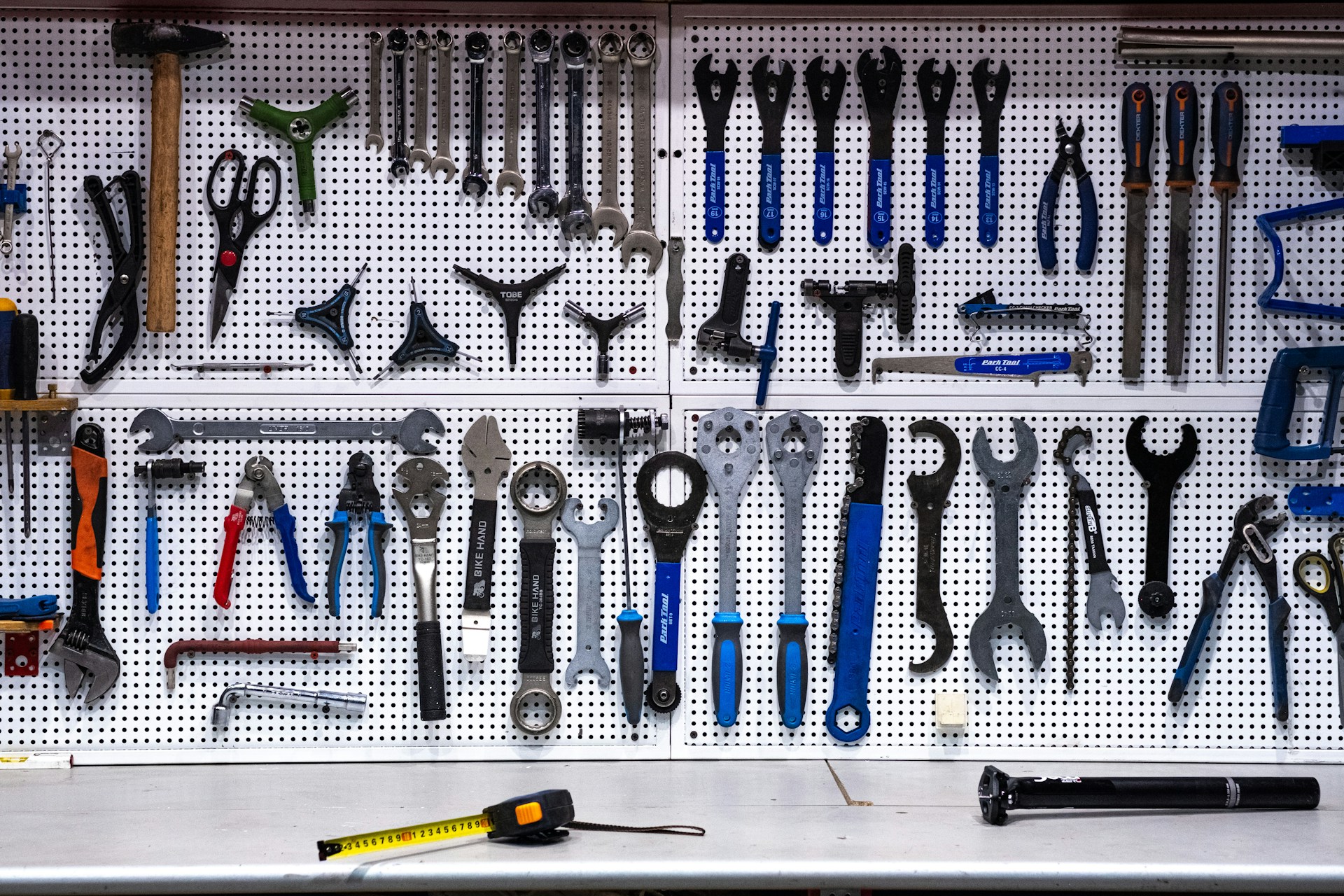
Losing your tools doesn’t just cost you money — it can stop your business in its tracks. For many Australian tradies, tools and equipment are the most important assets they own. Yet too many don’t have the right tool insurance to cover theft, accidental damage, or equipment failure.
This guide explains why tool insurance for tradies is critical, what it covers, and how to protect your livelihood with the right insurance policy.
Why Tool Insurance Matters for Tradies
Could you afford to replace your tools tomorrow?
Without the right insurance cover, replacing stolen or damaged equipment can cost thousands and leave you unable to work. Tool insurance ensures that essential tools of trade are protected so you can get back to business quickly.
Common losses that tools and equipment insurance can protect against:
- Theft from your van, trailer, or worksite
- Accidental loss or damage
- Loss due to fire or vandalism
Many tradies assume their home or vehicle insurance will cover their tools, but in general, property or car insurance policies typically excludes them unless specified particularly if used in conjunction with a business.
What Does Tools and Equipment Insurance Cover?
A general property insurance policy tailored for tradies offers peace of mind. Here’s a breakdown of what these policies typically include:
Portable Tools and Equipment
Cover for power tools, hand tools, and other portable items against theft or damage.
Coverage On or Off-Site
Protection, whether your tools are stored in your vehicle, on-site, or at home.
Optional Tool Cover Add-ons:
- Hired equipment
- Temporary replacement cover
- Specified high-value items
Your tool insurance policy can be customised to fit your trade, gear value, and business operations.
Tool Insurance vs Public Liability Insurance
Many contractors think public liability insurance is enough, but it doesn’t cover damage to your own property.
Here’s the difference:
- Public liability insurance covers claims from third parties (e.g. if a customer is injured on-site).
- Tool insurance protects your own equipment — tools of trade that you use every day.
Combining both provides full-spectrum protection.
Real-World Risks: Can You Afford the Loss?
Case Study: Theft from a Work Van
A carpenter in regional NSW lost $15,000 worth of tools when their van was broken into overnight. With no cover, they had to replace the equipment out of pocket and delay multiple jobs.
This is a real example of why it pays to cover your tools with the right policy.
Understanding the Cost of Tool Insurance
The cost of tool insurance for tradies varies depending on:
- Total value of tools and equipment
- Type of trade and worksite risks
- Where tools are stored (e.g. ute, trailer, garage)
- Policy excess and coverage limits
Premiums usually start from around $300 per year. When you factor in how much it would cost to replace your tools, the value of the insurance is clear.
A tailored insurance package may also include business contents insurance, public liability, and property damage cover for your premises.
How to Choose the Right Cover
Working with a trusted insurance broker like Atlantic Insurance ensures you receive transparent advice and access to multiple insurers.
Benefits of working with Atlantic include:
- Tailored insurance for tradies in industries like plumbing, electrical, landscaping, carpentry
- Competitive pricing across tool insurance, public liability insurance, and business packages
- Guidance on insurance policies, inclusions, and exclusions
- Fast claims support and annual policy reviews
Final Thought: Protect Your Tools, Protect Your Trade
Your tools are your income. Without them, your business can’t function. Whether you’re on a solo job or managing a team, having the right insurance coverage means you can work confidently, knowing you’re protected.
Get Covered with Atlantic Insurance
Need help finding the right tool insurance?
Get a Quote Today or Speak to a Client Manager to protect your tools, your time, and your trade.
Any information contained on this page of the website is general advice only and has been prepared without taking into account your objectives, financial situation or needs. You should consider these, having regard to the appropriateness of this advice and the relevant Product Disclosure Statement (‘PDS’), Target Market Determination (‘TMD’) and Financial Services Guide (‘FSG’), which will be provided following any formal recommendation to you.