

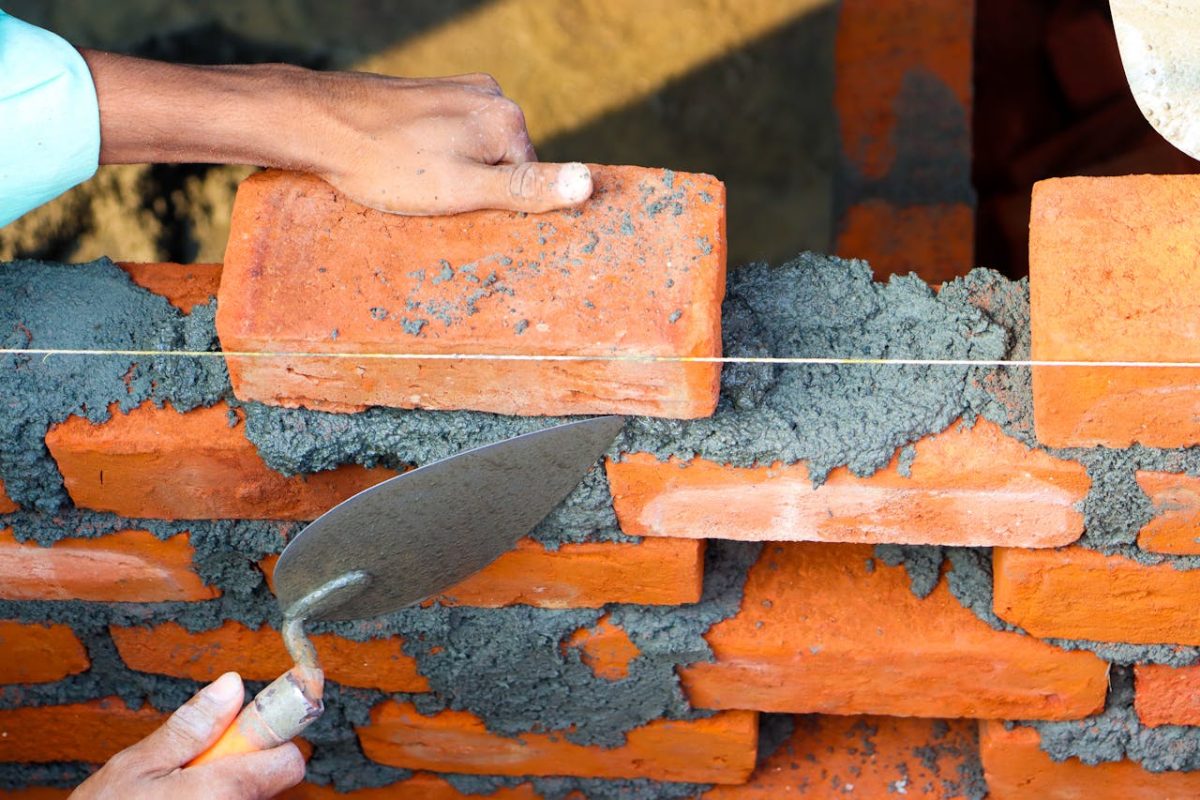
Bricklayers are essential for many construction projects and are responsible for building sturdy foundations and structures that last decades. However, this job comes with inherent risks to the tradies and the projects they help bring to life. While bricklayers may be experts in creating solid foundations, one foundation that often gets overlooked is their insurance coverage. Here’s why bricklayers can’t afford to lay foundations without the safety net of bricklayers insurance.
Why bricklayers have a high risk of workplace injuries
Working as a bricklayer involves physical labour, heavy materials, and operating in potentially hazardous environments.
Common risks include:
- Falls: Bricklayers often work on scaffolding, ladders, or elevated surfaces, increasing the risk of serious falls.
- Musculoskeletal injuries: The repetitive motion of laying bricks and the heavy lifting involved can lead to back, shoulder, and joint injuries.
- Exposure to hazardous conditions: Bricklayers are exposed to dust, chemicals (from cement and mortar), and sharp tools, all of which can lead to health issues or accidents.
Even the most experienced bricklayers can suffer injuries on the job. Without proper workers’ compensation insurance, these injuries can lead to significant out-of-pocket medical expenses and loss of income during recovery. Insurance ensures that both medical costs and wage losses are covered, protecting bricklayers from financial hardship.
How insurance helps:
- Workers’ compensation insurance Covers medical bills, rehabilitation costs, and lost wages if a bricklayer is injured on the job.
- General liability insurance: Provides coverage if a third party (such as a site visitor) is injured due to the bricklayer’s work.
Property damage risks that bricklayers face
Bricklayers are responsible for more than just constructing walls — they often work on critical elements of buildings, including foundations and structural components. Mistakes in these areas can lead to severe property damage, resulting in costly repairs and legal liabilities. The financial consequences can be steep, whether it’s accidentally damaging existing structures, misaligning a foundation, or causing water leaks due to poor construction.
For example:
- Poor foundations can cause major structural issues for an entire building, leading to expensive reconstruction.
- Accidental damage to surrounding property, such as neighbouring homes, sidewalks, or driveways, can quickly lead to claims or lawsuits.
How insurance helps:
- General liability insurance: Protects against claims of property damage or personal injury caused by negligence, mistakes or accidents during the construction process.
Common legal liability and lawsuits that bricklayers face
The construction industry is no stranger to lawsuits. Like all contractors, bricklayers are vulnerable to legal claims stemming from property damage, injuries, or construction defects. Even a single lawsuit can be financially devastating for an uninsured bricklayer, particularly for small businesses or independent contractors.
Lawsuits can arise from:
- Construction defects: If a customer claims that poor workmanship led to structural issues or failed to meet safety standards, they may seek damages.
- Injuries to third parties: If a bystander or subcontractor is injured at the job site due to negligence, the bricklayer could be held liable.
- Contract disputes: Misunderstandings over project timelines, costs, or quality can lead to legal disputes with clients.
Defending against lawsuits, even if unfounded involving property damage or personal injury, can result in overwhelming legal fees, settlements, and judgments that can ruin a business. Liability insurance is essential for shielding bricklayers from these financial burdens.
How insurance helps:
- Professional liability insurance: Covers claims of negligence, errors, or omissions in the bricklayer’s work that lead to direct financial losses for the client.
- General liability insurance: Pays for legal defence costs and settlements in the event of a lawsuit related to property damage or injury.
Impact of project delays and cost overruns for bricklayers
Bricklayers are often part of larger construction teams working on tight schedules. Any delays caused by weather, accidents, or project disputes can lead to costly overruns. If a project falls behind schedule or exceeds its budget, bricklayers might be held accountable for additional costs, especially if the delays are tied to their work.
For instance, if a foundation is laid improperly and requires rework, this can delay other phases of the construction process and lead to financial penalties.
How insurance helps:
- Professional liability insurance: Provides coverage for claims related to delays or additional costs arising from errors in the bricklayer’s work.
- Contract Works Insurance: Covers damage to the construction project itself, such as damage from storms, theft, or vandalism, which could otherwise delay the project and result in financial loss.
How Atlantic Insurance can help you with bricklayer insurance
For bricklayers, laying solid foundations isn’t just about concrete and bricks — it’s about ensuring they have a strong financial foundation. Insurance is a critical component of this foundation, protecting from the many risks of the trade. Whether preventing financial ruin from lawsuits, covering injuries on the job, or ensuring compliance with contract requirements, insurance gives bricklayers the security they need to focus on what they do best — building. Contact us today at 03 9836 3733 for a comparison quote.
Any information contained on this page of the website is general advice only and has been prepared without taking into account your objectives, financial situation or needs. Your should consider these, having regard to the appropriateness of this advice and the relevant Product Disclosure Statement (‘PDS’), Target Market Determination (‘TMD’) and Financial Services Guide (‘FSG’), which will be provided following any formal recommendation to you.